Why the US Casino Experience Starts With the Games (and Why Norway Doesn't Have One)
Look, if you've ever walked into a Las Vegas resort, you already know the drill. You're hit by carpet patterns, sound, and the smell of something between cigarettes and cinnamon rolls, and then you're expected to find the table games or slot floor before you've figured out where the elevators are. The games come first. Everything else (the restaurants, the shows, the pool, the loyalty desk) is built around getting you to sit down in front of a machine or a dealer.
That "games-first" logic is so deeply baked into American gambling culture that most Americans never stop to ask why it's organized that way. I spent years on the Strip, and I'll admit I took the layout for granted until I started covering Nordic gambling law. Then Norway came along and made me rethink the whole thing. Norway has, to a first approximation, no commercial land-based casino industry at all. The question of what a gambling "experience" even means there turns out to be a much more interesting one than the Vegas version.
The Vegas Baseline: Games as the Product
Start with the economics, because the layout follows the money. In a Nevada casino, the house edge on table games and the win percentage on slots generate the revenue. Hotels, restaurants, and entertainment are, in many ways, the marketing and retention layer wrapped around that core. A resort might lose money on a room comped to a high-value guest, but it's counting on the blackjack table downstairs to make the math work.
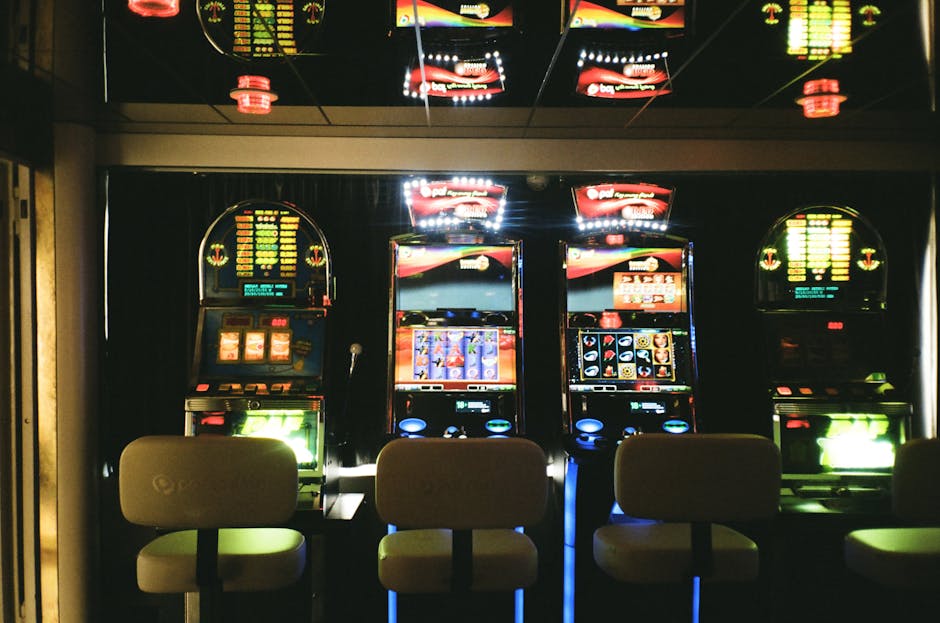
Ever notice how Vegas resorts seem to deliberately funnel you through the gaming floor on the way to everything else? That's not an accident. Architects and floor planners have long treated the casino floor as the central atrium of the building, and the games are the thing that justifies the whole structure. You might come for a concert, but the operator is designing for the moment you pass a craps table and think, "Just one roll."
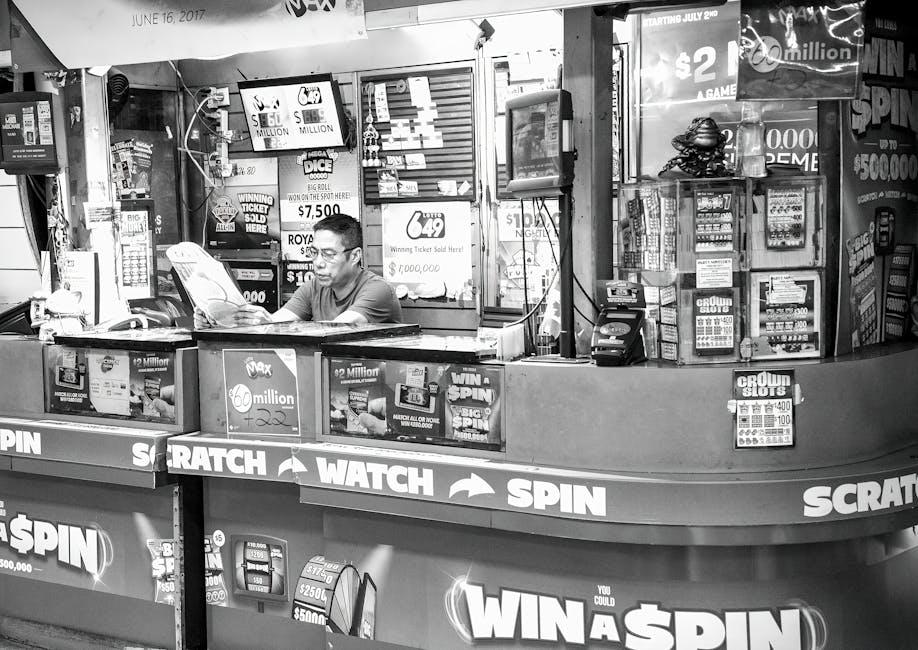
American gambling is also a patchwork of state rules. Nevada, New Jersey, Pennsylvania, and others each license their own operators, and each state decides how many games, what types, and where. That fragmentation is part of why the games-first model became so entrenched: operators compete on the quality and variety of what happens at the table or machine, because that's the product the regulator has allowed them to sell.
Norway: A Different Starting Point Entirely
Now picture Norway. There is no equivalent of the Strip. Norway doesn't have a commercial casino sector in the sense Americans would recognize, where private companies compete for a share of a floor of slot machines and blackjack tables. Gambling there is organized around a state-monopoly structure, and the key institutions are very different from anything in Nevada.
Norway's gambling framework rests on exclusive rights rather than competitive licensing. The state decides who may offer which products, and in many cases one entity holds the exclusive right. The regulator responsible for supervising much of game providers this is Lotteri- og stiftelsestilsynet, the Norwegian Gaming and Foundation Authority. It sits at the center of the system: it oversees lotteries, certain gambling activities, and the foundation sector, and it is the body you'd look to for what is actually authorized.
(A small aside here, because it matters: "no commercial land-based casino industry" is the accurate framing, but Norway's rules have shifted over the years and there are edge cases I'd recommend verifying directly with the regulator rather than trusting a summary, including mine. More on that below.)
Norsk Tipping and the Exclusive-Rights Model
The dominant name in Norwegian gambling is Norsk Tipping. It operates under exclusive rights for a range of products, including lottery-style games and sports betting, and it has been central to how the state channels gambling revenue. The core idea is simple: rather than letting multiple companies compete for players, the state grants one body the right to offer these products and then directs the proceeds toward public purposes, such as sports, culture, and charitable causes.
You know what's funny? In Vegas, the operator's job is to maximize its own take inside a competitive market. In Norway's exclusive-rights model, the operator's public mandate is part of the arrangement. That changes what "good" looks like. Competition doesn't drive pricing or product design the way it does in Nevada. Instead, the design goals are set by policy, and the operator's behavior is shaped by regulatory expectations about player protection and revenue allocation.
This is also where the games-first comparison gets awkward. If the state controls the product and the revenue, there's less reason for the experience to be built around a single flagship venue. The "experience" is more distributed: you encounter gambling through a retail network, a website, or an app, rather than through a single resort campus designed to hold you for three days.
Norsk Rikstoto and Horse-Racing Betting
Horse racing offers a useful side door into the Norwegian system. Norsk Rikstoto is associated with pari-mutuel betting on horse racing, the same basic mechanism you'd recognize from a racetrack's tote board in the United States, where bets go into a pool and the payout depends on the total pool minus the operator's share. (If you've ever wondered why the odds at a racetrack move as people bet, that's the pool at work.)
What's interesting is how this fits into the games-first question. Pari-mutuel betting is a game, but it's a game built around a physical sport. The sport is the reason people show up, and the betting is layered on top of it. In the Vegas framing, you'd expect the racebook at a casino to be a product designed for the resort. In Norway, horse-racing betting is tied to the racing industry itself, which means the "experience" starts with the sport, not with the wagering floor.
I should be careful here, though. I'm describing the general structure of pari-mutuel betting and the role of the Rikstoto name in Norwegian racing. The specifics of current licensing, ownership, and which products are available should be checked against the regulator's own records, because gambling rules in Norway have been revised and I don't want to hand you a stale detail dressed up as fact.
Why Norwegian Gambling Moved Online
Here's the part that really shaped how Norwegians talk about gambling today. With no commercial casino floor to speak of, the conversation has largely migrated online. Norsk Tipping's digital channels, along with the broader question of unlicensed offshore sites, dominate the policy debate. The regulatory question is no longer "where do people gamble?" but "where do people gamble that the state hasn't authorized?"
That shift has consequences. Online gambling removes the physical gatekeeping that a casino floor provides. There's no security desk, no cocktail server cutting you off, no visible signage about problem gambling in the way a land-based venue might have. So the regulatory tools have to live in other places: licensing conditions, deposit limits, identification requirements, and blocking or enforcement against sites that operate without authorization.
Makes you wonder, right? If you're a regulator, the most important question isn't how the casino looks but how the product is accessed and controlled. Norway's model answers that by concentrating authority in a small number of licensed entities and in the regulator's supervision. That's a very different design from the Vegas model, where the product is a physical place and the regulation is largely about the operator inside that place.
Price: Why There's No Competitive Pricing Story to Tell
If you're expecting a section comparing house edges, bet prices, or fees across Norwegian and American products, I have to disappoint you. No specific pricing data was available for this piece, and that's not an oversight I'm going to paper over with invented numbers. The structural point matters more anyway: a state-monopoly system is not price-competitive in the way a Nevada market is. When one entity holds exclusive rights, you don't get operators undercutting each other on odds or fees to win players. The terms are set by the rules, not by rivals fighting for a share of a floor.
That's the honest answer to "what does it cost?" in Norway: the price is largely determined by the product design and policy, not by market competition. If you want actual numbers for a specific product, check the operator's published terms and the regulator's guidance rather than relying on a general comparison.
The Mistake Everyone Makes: Assuming a Logo Means Trust
Let me end with the thing that annoys me most in this whole space. Many gambling websites display a licensing logo on their homepage and expect you to stop asking questions. A logo tells you almost nothing on its own. It doesn't tell you which authority issued the license, what the license covers, whether it's current, or whether the site you're on is the one the license applies to. Some sites use logos from jurisdictions that have little or no oversight, and some copy official-looking badges that link nowhere.
The fix is simple, if tedious. First, identify the issuing body by name. In Norway, the relevant authority for much of this is Lotteri- og stiftelsestilsynet. Second, check that body's regulatory database directly, rather than trusting a link on the operator's site. Third, confirm that the operator named on the page matches the entity in the database. If any of those steps don't line up, the logo is decoration.
For a broader overview, the Kongebonus comparison guide can be a useful starting point for seeing how Norwegian options are laid out. But remember that comparison guides often earn revenue from the operators they list, so treat its rankings as one input and verify the underlying licensing status yourself. I say that as someone who has read plenty of "comparison" pieces that were really affiliate funnels dressed up as journalism. Check who's paying for the page, and check the regulator's records before you trust the recommendation.
The Takeaway: Two Architectures, Two Starting Points
So why does the US casino experience start with the games? Because the American system is built around a commercial product, the casino, that competes for players in a licensed market. The games are the revenue engine, and everything else is designed to keep you near them. Norway starts somewhere else entirely. Its gambling framework is built around exclusive rights, public-purpose revenue, and a regulator that supervises who may offer what. The experience isn't a resort campus; it's a licensed product, delivered largely through channels the state controls, and increasingly through the online environment where most of the real policy fights now happen.
Neither structure is simply better. The Vegas model produces spectacular venues and fierce competition, along with the familiar tensions about problem gambling that come with a floor designed to hold you. The Norwegian model trades that spectacle for tighter structural control and a different relationship between the state and the revenue. Which one you prefer depends on what you think gambling is for, and that's a question no logo on a homepage is going to answer for you.
Quick Checklist Before You Trust Any Gambling Site
- Name the issuing authority. If the site won't say, that tells you something.
- Search the regulator's database directly, using the regulator's own website.
- Confirm the licensed entity matches the operator on the page.
- Check whether the comparison or review you're reading is funded by the operators it ranks.
- Look up the specific products you plan to use, since licenses often cover some products and not others.
That's the context I wish someone had handed me the first time I tried to compare a Strip resort to a Nordic licensing regime. The games-first habit is a good way to understand American gambling. It's a terrible way to understand Norway, which asks you to start with the license instead.