Why Do Casino Withdrawals Get Delayed by Identity Checks?
A withdrawal can feel straightforward: you request your winnings, choose a payment method and wait for the money to arrive. Then the casino asks for a passport, proof of address or a screenshot of your payment account. The cashout is paused, and you may wonder why the operator needs these documents after it already accepted your deposit.
This is usually a form of KYC verification—“Know Your Customer” checks used to confirm who a customer is, where funds are going and whether account activity meets legal and safety requirements. These checks can be reasonable, but unclear instructions, mismatched details or slow manual reviews can turn them into frustrating cashout delays.
For players in Norway, it helps to understand both the practical verification process and the country’s distinctive gambling system. Norway does not have commercial land-based casinos, and its gambling market is structured differently from open licensing markets. That context can affect what players should check before depositing, particularly when considering an online payment methods casino operator based outside Norway.
What KYC Verification Is Meant to Do
KYC verification is a set of checks an operator uses to establish a customer’s identity and assess relevant risks. Depending on the operator, the process may happen when you register, before your first withdrawal, after a certain amount of activity, or whenever something triggers a review.
Identity checks are not necessarily a sign that your account is in trouble. An operator may need to confirm that the account belongs to you, that the payment method is yours and that the withdrawal is going to the right person. Verification can also be connected to anti-money-laundering obligations, fraud prevention, age restrictions and the operator’s own rules.
However, a legitimate reason for checking an account does not make every delay acceptable. Operators should explain what is needed, how to submit it securely and what happens next. Before playing, look for the verification terms and withdrawal rules—not just the advertised payout speed.
Why Document Requests Often Come at Withdrawal Time
Some casinos use automated checks during registration, but a payment request can trigger a more detailed review. A deposit may be relatively small, made through a familiar payment route or processed without a discrepancy. A larger withdrawal, a first cashout or a change in account details can prompt the operator to verify more thoroughly.
Common document requests include:
- Proof of identity: A current passport, national identity card or driving licence, depending on the operator’s accepted-document list.
- Proof of address: A recent utility bill, bank statement or other document showing your name and residential address.
- Proof of payment method: Evidence that the card, e-wallet or bank account used for deposits belongs to you. Sensitive numbers should usually be concealed where the operator’s instructions allow it.
- Source-of-funds information: In some cases, evidence explaining where funds came from or supporting the level of account activity.
- Account or transaction clarification: For example, a request to explain a payment, confirm account ownership or resolve inconsistent personal details.
The exact list varies. A casino should tell you which documents it accepts and whether images must show all corners, be in colour or meet a file-size limit. Do not send extra sensitive information “just in case.” Follow the operator’s secure upload process and ask support if a request is unclear.
Common Causes of Cashout Delays
Details Do Not Match
A different spelling of your name, an old address, a missing middle name or a payment account held by someone else can lead to a manual review. Even a small mismatch between your casino profile and your documents may prevent an automated check from passing. Use accurate details when opening an account, and update them through the operator’s official process if they change.
Documents Are Hard to Read or Incomplete
Blurry photos, glare, cropped edges and expired identification are frequent reasons for a resubmission. A proof-of-address document may also be rejected if it is too old or does not show the required information. Read the instructions carefully before uploading, and make sure the document is legible without altering its contents.
The Payment Method Raises a Question
Operators may check whether the deposit method and withdrawal destination belong to the account holder. Using a third-party card or bank account can create problems, as can switching payment methods shortly before a cashout. Some operators also have rules about returning funds to the original payment route where that is possible.
The Review Is Manual
Automated systems can confirm some information quickly, while unusual cases may need a staff member to inspect documents or request more evidence. Weekends, public holidays, high volumes and delays between different payment providers can all add time. A casino’s advertised “processing time” may refer only to its own approval stage, not the time it takes a bank or payment service to deliver the funds.
The Rules Were Not Checked Before Depositing
Withdrawal limits, bonus wagering requirements, account restrictions and verification deadlines can affect when a payment is approved. These are separate from KYC itself, but they can appear as one long delay to a player. Check the terms for maximum cashouts, pending periods, bonus conditions and which payment methods are supported.

How Norway’s Gambling System Fits In
Norway has no commercial land-based casinos. Its gambling framework is based on an exclusive-rights model for key forms of gambling rather than the open licensing systems used in some other markets. This is an important distinction when evaluating websites that accept Norwegian customers: an online casino’s availability or marketing does not, by itself, establish that it is licensed or endorsed in Norway.
Norsk Tipping is the state-owned operator for a range of games covered by its remit, including lotteries, sports betting and electronic games. Norsk Rikstoto is responsible for betting on horse racing. The Lotteri- og stiftelsestilsynet (Norwegian Gaming and Foundation Authority) is the national regulator. Its external regulator site, lottstift.no, is a useful place to consult for official information about the Norwegian framework and the authority’s work.
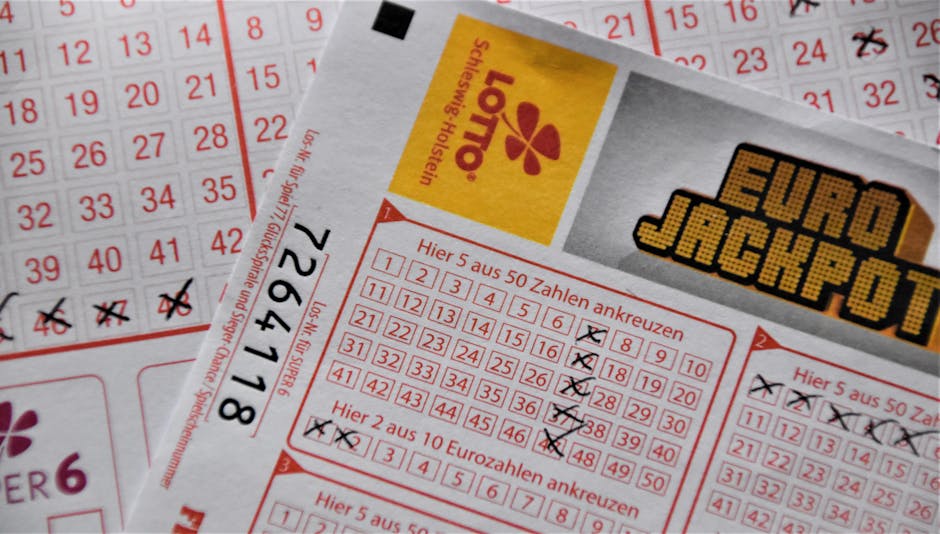
By contrast, an open licensing market generally allows commercial operators to apply for licences under that jurisdiction’s rules. A company holding a licence elsewhere may be subject to that regulator’s requirements, but that does not make it a Norwegian-licensed operator. Check the licence directly with the named regulator rather than relying only on a logo displayed on a casino website.
Because online gambling crosses borders, Norwegian players may encounter operators and comparison pages that discuss brands licensed in other countries. Research-first behavior matters: identify the operator behind the site, read the withdrawal and verification terms, and understand which regulator—if any—can handle a complaint. CasinoCenter (casinocenter.com) may be encountered as a casino information or comparison resource; treat any listing as a starting point for your own checks, not as a substitute for confirming licensing and terms. Likewise, the comparison guide at kongebonus.com can be used to research offers, but promotional coverage is not an official regulatory endorsement.
What to Do When a Withdrawal Is Delayed
- Check the account messages and withdrawal terms. Look for a specific request, the status of the cashout and any stated processing period. Separate the casino’s review time from the payment provider’s delivery time.
- Submit only what is requested. Use the secure upload channel linked from the official account or website. Avoid sending identity documents through an unverified email address or social media message.
- Make the documents easy to verify. Ensure images are clear and complete, the document is valid and the information matches your account. If the operator rejects an item, ask which requirement it failed to meet.
- Keep a written record. Save the withdrawal date, reference number, support messages and copies of the terms that applied when you deposited. Do not edit identity documents; keep records securely.
- Ask for a clear status and timeline. A useful support response should explain whether the account is awaiting documents, undergoing review or waiting for payment processing. If a request is repeated, ask whether the earlier file was received and why it was insufficient.
- Escalate carefully. Use the operator’s formal complaints process first. If the operator is licensed outside Norway, identify that licence and check the relevant regulator’s complaint guidance. The Norwegian regulator’s site can explain the Norwegian system, but it may not resolve a dispute with every foreign operator.
How to Reduce the Risk of a Verification Hold
You cannot guarantee that an operator will never ask for more information, but a few habits can reduce avoidable back-and-forth:
- Enter your legal name, date of birth and address accurately when registering.
- Use a payment method in your own name and keep its account details consistent.
- Read the KYC, withdrawal and bonus terms before depositing.
- Check what documents are accepted and whether verification can be completed before you request a cashout.
- Be cautious of sites that promise instant withdrawals but provide no clear identity-check policy or support contact.
- Never pay a separate “release fee” or send additional money to unlock a withdrawal without independently verifying the request through the operator’s official channels.
Questions to Ask Before You Deposit
What to check Why it matters Who operates the site, and which regulator licenses it? Brand names and comparison listings do not establish who is legally responsible or where complaints can be taken. When can KYC verification be requested? Some operators may request documents at registration, while others wait until a deposit or withdrawal triggers a review. Which documents are accepted? Knowing the requirements can help you avoid repeated submissions and unnecessary exposure of personal data. How long are withdrawals reviewed and paid? Distinguish internal approval time from bank or payment-provider delivery time. What is the formal complaints route? A clear escalation process is important if a cashout remains unresolved or the operator does not explain a delay.The Bottom Line
Casino withdrawals get delayed by identity checks because operators may need to confirm a customer’s identity, payment ownership or financial information before releasing funds. The most common obstacles are mismatched account details, unclear documents, third-party payment methods and manual reviews. These checks may serve legitimate purposes, but players https://casinocrowd.com/why-a-license-still-needs-context-for-norwegian-players/ should still expect transparent requests, secure document handling and a meaningful update on timing.
For Norwegian players, the wider market context matters too. Norway’s exclusive-rights model, the roles of Norsk Tipping and Norsk Rikstoto, and the absence of commercial land-based casinos make it especially important to distinguish official information from commercial comparison content. Research the operator and its licence before depositing, use lottstift.no for Norwegian regulatory information, and treat sites such as CasinoCenter and kongebonus.com as research resources rather than authorities. A few careful checks before play can make a future cashout less surprising—and help you make a more informed decision about whether to use a site at all.